Como a chefia autoritária resulta na malandragem – e por que herança ibérica é solução para males corporativos
Por Alexandre Teixeira
Palavras fortes como malandragem, medo e trapaça têm sido usadas através dos tempos para descrever o ambiente de trabalho em empresas brasileiras. Na opinião de Alfredo Behrens, professor de Gestão Intercultural no MBA Internacional da Universidade de São Paulo, isso é fruto de uma hierarquia exagerada que produz chefias autoritárias, das quais os subordinados “escapam” por meio de subterfúgios pouco nobres. Mais ou menos como se transplantassem a saga de Macunaíma para o mundo corporativo. "Resolver esta tensão prejudicial à produtividade nas nossas relações trabalhistas requer não apenas reconhecer a profundidade das suas raízes culturais mas também a audácia necessária para por em prática soluções tão antigas quanto as razões que provocam os resultados indesejados", afirma Behrens em "Para se entregar ao trabalho é preciso gostar do chefe", um texto inédito com potencial para provocar polêmica.
O personagem de Mário de Andrade está em boa companhia nas raízes dessa espécie de resistência não agressiva à tirania das chefias. Do Jeca Tatu, de Monteiro Lobato, ao João Grilo, de Ariano Suassuna, heróis sem nenhum caráter inspiram-se no Leonardo Pataca de Memórias de um Sargento de Milícias, de Manuel Antonio de Almeida. Se há um pouco deles em cada trabalhador brasileiro – e muito do espírito de capatazes de fazenda em seus líderes – que chances têm de prosperar no país as técnicas administrativas americanas, baseadas na autonomia que pressupõem concedida a cada indivíduo? "Sem essa autonomia, mas coagidos pelo poder de uma hierarquia exagerada, os empregados buscam proteção driblando os processos, buscando se congraçar com os chefes dos seus chefes; ocultam erros seus e os dos seus cúmplices, e trabalham sem entusiasmo", escreve Behrens. "Técnicas estrangeiras, tais como os incentivos individuais, perdem eficácia diante de indivíduos que não são autônomos; e a frustração diante dos magros resultados favorece os recalques autoritários, reforçando as atitudes evasivas dos empregados".
Economista formado pela PUC do Rio de Janeiro, com mestrado pela FGV e Ph.D pela Universidade de Cambridge, Behrens descreve essa cultura organizacional gestada entre o autoritarismo e a sabotagem como opressiva – e impermeável a soluções da moderna administração de empresas. "As raízes do temor e a desconfiança são tão antigas que nenhuma ação de relações públicas ou integração de equipes, por parte da empresa, conseguirá resolver satisfatoriamente", afirma. "A desconfiança leva ao desengajamento". O resultado são escritórios povoados por funcionários que arrastam os pés, fazendo apenas o mínimo necessário para escapar de uma reprimenda. Processos e hierarquias são desrespeitados, às vezes substituídos pela busca de laços pessoais que assegurem proteção. Lealdades são geradas pelo paternalismo, interesses compartilhados entre chefes e subordinados resultam, por exemplo, na ocultação de erros das instâncias superiores. Ou, no sentido inverso, de cima para baixo, no uso do favoritismo para cooptar aliados entre os subordinados.
A solução para interromper esse ciclo vicioso não parece estar nos manuais de administração americanos e europeus. A sociologia rural e o estudo de movimentos camponeses sugerem que a resistência passiva observada nas empresas brasileiras pode ser eficaz quando a confrontação aberta não é uma possibilidade, na medida em que prejudica os resultados pretendidos pelo patrão. "Seria surpreendente se no Brasil, país de urbanização tão recente, as estratégias de resistência passiva não tivessem migrado para as cidades junto com as pessoas", escreve Behrens. Ele argumenta que, como essas estratégias têm raízes culturais profundas, os possíveis instrumentos para promover a mudança devem também incorporar a tradição. Se é verdade que nossa formação cultural "autoritária, intolerante e paternalista" é tipicamente ibérica, é certo também que – depois do período de dominação árabe – as explorações portuguesas e as conquistas espanholas resultaram em recuperação de território e expansão do poder.
"Quem sabe precisemos da audácia de buscar inspiração nas formas antigas de gestão de pessoas que produziram esses grandes feitos, no lugar de imitarmos formas de gestão de pessoas, desenvolvidas observando outros povos, que entre nós produzem resultados medíocres, frustração e subdesenvolvimento", afirma Behrens. Ele sugere, por exemplo, incorporar nos mecanismos de resolução de conflitos das maiores empresas brasileiras um sistema inspirado na administração da Justiça de Isabel, a Católica. A primeira instância ali era administrada por corregedores, transferidos de comarca a cada dois anos para evitar que caíssem na influencia dos poderosos locais. Assim como a Rainha Isabel conseguiu limitar o exagerado poder dos senhores feudais, as empresas modernas conseguiriam limitar o caráter autocrático da média gerência, incorporando corregedores selecionados dentre seus aposentados mais respeitados – que se tornariam guardiões da cultura organizacional e árbitros independentes. "Esta e outras soluções", escreve Behrens, "podem ser desenvolvidas em sintonia com a nossa cultura para promover o bem-estar no trabalho".
Revista Época Negócios, 11 de novembro de 2010.

Friday, November 12, 2010


Tuesday, November 9, 2010
The impact of mining on some rural populations of North East state of Brazil

The geographical distribution of Brazil’s population is highly uneven, concentrated mainly on its coastline. Since the 50's until 1980, a noticeable effort was made to try to reverse this trend. Some progress has been made mainly in the southern half of the country. Nevertheless, a large part of the territory remains fairly empty of population
The Brazilian Northeast is no exception to this rule, and has a few aggravating problems. It is above all, a great weakness in--or a chronic lack of--infrastructure, a consequence of low investment and poor development planning. This makes this deprived area of Brazil one of the few areas where it is still possible to see deprivation, poverty and despair.

One of the most common ideas is that these inner parts of the states of Ceara, Piaui, Maranhao, Alagoas and, to a lesser extent, Pernanbuco and Bahia are subject to systematic droughts that prevent local people access to food self-sufficiency. The problem of these areas is not lack of water, what with spectacular advances Agro science has made these past 15 years. The problem is the terrible consequence of the irregular rainfall. Precipitation averages over the last 10 years are sufficient to develop an agriculture that is semi-arid and would feed a much larger population than presently exists. This poverty is much more the result of a social structure based on the local, ‘paternalistic’behavior of a few families.
These are local potentates involved and introduced into all levels of Brazilian society, often the elected representatives of the people they keep in poverty. The solution for 80% of this population is, more than ever, much more political than economic. The Federal Brazilian government has often been cautious in never directly confronting these families. The action of these governments is usually limited to making basic direct assistance to these populations. This aid is just sufficient to enable them to survive.

Over the past six years, the only comprehensive and planned investment in infrastructure was the establishment of an energy grid, unfinished to this day. This allows the main free broadcast television channels (Rede Globo) and some competitors to reach most household and provide formatted information to a population that, in its vast majority, is illiterate. Consequently, they have no other way to access information.
In this context, any economic activity that creates jobs that require little skill is perceived by local populations within these States as a divine manna. Over the past five years, numerous mining sites (precious and semi precious colored stones) have been created, noticeably in Ceará. This type of mining activity affords basic infrastructure and needs labor-abundant, low-skilled manpower.

A positive point is that the people living within those inner states areas are of great integrity and honesty. This contrasts clearly with growing problems of violence and crime in most major Brazilia cities. These families, with one or more members working in the mines, have multiplied their family income two to four times.
Jean Gombart
Europe, Asia, Australia, South America and the United States--from 1999 to 2005, Jean Gombart put Noble Systems Corp on the world wide map. Jean thinks and sees globally. From 2005 to 2008, he offered sophisticated consulting to the Brazilian market for clean energy to GIS, CIM Software and the mining industry.
Monday, November 8, 2010
FIA Business School has been nominated as the most innovative business school in South America
FIA Business School has been nominated as the most innovative business school in South America by readers of European CEO and has now been shortlisted by our judging panel.
Education development issues have been increasingly highlighted by our readers as a topic of great concern. They appreciate that to develop a modern business their staff must be trained to the very highest possible standards. In recognition of this we are introducing for the first time our Global Business Education Awards. These awards will provide recognition of the world's leading centres of excellence.
Unlike other Business Education award programmes, our judging panel are seeking out institutions large or small that truly add value to the total development of corporate executives - and not just in terms of their salary expectations. The judges are not swayed by perceived reputation.
About European CEO: European CEO enjoys a global distribution network that includes the most prominent decision makers worldwide. The magazine has built up a coveted reputation for excellence throughout its pages. European CEO is dedicated to all areas of global business leadership and keeps its finger on the pulse of the latest developments. European CEO is produced by an award-winning editorial team of journalists and correspondents worldwide, who provide authoritative news and features supported by up-to-the-minute, reliable data collected from trusted media organisations such as Reuters and Financial News, and detailed analysis of the most complex, dynamic and innovative issues facing business today.
The magazine is delivered bi-monthly to 50,000 decision-making executives who serve on the boards of companies throughout Europe. The magazine reaches highly affluent executives at their homes as well as their primary businesses. Secondary distribution consists of 20,000 copies in select First/Business class lounges across Europe, with 10,000 copies going out to select properties and newsstands within the EU. European CEO is published by the World News Media Group.
Award criteria:
European CEO’s award selection panel has used a wide range of criteria to inform its decision over its 2010 Global Business Education Awards, lending the critical eye of a collective 205 years of business journalism and business experience to the exhaustive information gathered by the award body’s research team. The panel are very keen to recognise top performers who have bought their own unique stamp to business education. Some of the more important factors taken into account are as follows:
Accreditation
Accessibility
Value for money
Diversity of curriculum and methodology
Size (student to teacher ratios)
Graduation rate
Admissions procedures
Placement potential
Training in technology
Research
Holistic approach
Sustainability
The panel’s decision will be announced in the December 2010/January 2011 issue and the judges' decision will be final.
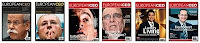
Education development issues have been increasingly highlighted by our readers as a topic of great concern. They appreciate that to develop a modern business their staff must be trained to the very highest possible standards. In recognition of this we are introducing for the first time our Global Business Education Awards. These awards will provide recognition of the world's leading centres of excellence.
Unlike other Business Education award programmes, our judging panel are seeking out institutions large or small that truly add value to the total development of corporate executives - and not just in terms of their salary expectations. The judges are not swayed by perceived reputation.
About European CEO: European CEO enjoys a global distribution network that includes the most prominent decision makers worldwide. The magazine has built up a coveted reputation for excellence throughout its pages. European CEO is dedicated to all areas of global business leadership and keeps its finger on the pulse of the latest developments. European CEO is produced by an award-winning editorial team of journalists and correspondents worldwide, who provide authoritative news and features supported by up-to-the-minute, reliable data collected from trusted media organisations such as Reuters and Financial News, and detailed analysis of the most complex, dynamic and innovative issues facing business today.
The magazine is delivered bi-monthly to 50,000 decision-making executives who serve on the boards of companies throughout Europe. The magazine reaches highly affluent executives at their homes as well as their primary businesses. Secondary distribution consists of 20,000 copies in select First/Business class lounges across Europe, with 10,000 copies going out to select properties and newsstands within the EU. European CEO is published by the World News Media Group.
Award criteria:
European CEO’s award selection panel has used a wide range of criteria to inform its decision over its 2010 Global Business Education Awards, lending the critical eye of a collective 205 years of business journalism and business experience to the exhaustive information gathered by the award body’s research team. The panel are very keen to recognise top performers who have bought their own unique stamp to business education. Some of the more important factors taken into account are as follows:
Accreditation
Accessibility
Value for money
Diversity of curriculum and methodology
Size (student to teacher ratios)
Graduation rate
Admissions procedures
Placement potential
Training in technology
Research
Holistic approach
Sustainability
The panel’s decision will be announced in the December 2010/January 2011 issue and the judges' decision will be final.

Wednesday, September 29, 2010
Testimonial: International MBA Alumni
Read in Portuguese

The universe is infinite and immeasurable and I believe that human knowledge is but a drop in the midst of this vast environment. As our knowledge expands so does contact with the unknown and one becomes increasingly aware of how little we know and how much more there is to be known. I look upon the question of professional improvement from the same standpoint.
When I took on the electrical engineering course, the prime objective was to graduate as a good engineer and seek a successful managerial career at companies devoted to technology or infrastructure. Whilst half way through the course I began to add on a handful of characteristics to my professional aspirations: I also wanted an international career, to become acquainted with different countries, with peoples of several nationalities, varied tongues, distinct cultures; to enrich my knowledge in the world around me and increase my own contact with diversity, with the unknown.
That was when, as an undergraduate, I sought to become a trainee abroad and thereafter began to pursue an international career at Schumberger Technology where I remained during 6 years as an ex-pat, having been assigned to several countries such as USA, Canada, Scotland, Mexico, Cuba and El Salvador deploying engineering and technical management activities in the oil and gas industry.
During this period of my life, I found myself awfully attached to far too technical activities and taking on a high level MBA was becoming a personal and professional growth plan so as to expand frontiers towards a more strategic perception concerning the management of large corporations. Once back in Brazil for over one year and somewhat restless with the comfort zone I dwelled in, I decided it was high time to stop and press the reset button on my career. I left the position I held at Weatherford Drilling Services and joined the first group of full time International MBA students at the Administration Institute Foundation (FIA).
I chose the International MBA full time format so as to seize the opportunity to dedicate myself intensively during a year to the enriching of my knowledge in business administration. I was extremely satisfied with the fruits of the decision I took. During that year I opened up my perspective of the corporate world in an indescribable manner. With the course I added on loads worth of learning to my style of leadership and strategic vision of management. I acquired extremely valuable insights in marketing, international competitiveness, negotiation, corporate governance, sustainability, innovation, value creation and people management. The consulting project was an unique opportunity to test internalized theory and the acquired networking was essential to my re-entering the market.
Having concluded the MBA I went through several processes at different companies. The International MBA prove to be impressive and of great relevance to those whom I talked to and during interviews. By the end of the MBA two solid offers were made: one at Weatherford as Business Development Manager in Rio de Janeiro and another with GE Oil & Gas as Brazil Service Manager, the latter being that which I effectively accepted.
Finally, know how is vital to the broadening of our borders but knowing people (Know Who) is fundamental to showing us the pathway. The International MBA aggregates both.
Matheus H. Scudeler Vilela
For further information concerning the International MBA and other courses: click here

The universe is infinite and immeasurable and I believe that human knowledge is but a drop in the midst of this vast environment. As our knowledge expands so does contact with the unknown and one becomes increasingly aware of how little we know and how much more there is to be known. I look upon the question of professional improvement from the same standpoint.
When I took on the electrical engineering course, the prime objective was to graduate as a good engineer and seek a successful managerial career at companies devoted to technology or infrastructure. Whilst half way through the course I began to add on a handful of characteristics to my professional aspirations: I also wanted an international career, to become acquainted with different countries, with peoples of several nationalities, varied tongues, distinct cultures; to enrich my knowledge in the world around me and increase my own contact with diversity, with the unknown.
That was when, as an undergraduate, I sought to become a trainee abroad and thereafter began to pursue an international career at Schumberger Technology where I remained during 6 years as an ex-pat, having been assigned to several countries such as USA, Canada, Scotland, Mexico, Cuba and El Salvador deploying engineering and technical management activities in the oil and gas industry.
During this period of my life, I found myself awfully attached to far too technical activities and taking on a high level MBA was becoming a personal and professional growth plan so as to expand frontiers towards a more strategic perception concerning the management of large corporations. Once back in Brazil for over one year and somewhat restless with the comfort zone I dwelled in, I decided it was high time to stop and press the reset button on my career. I left the position I held at Weatherford Drilling Services and joined the first group of full time International MBA students at the Administration Institute Foundation (FIA).
I chose the International MBA full time format so as to seize the opportunity to dedicate myself intensively during a year to the enriching of my knowledge in business administration. I was extremely satisfied with the fruits of the decision I took. During that year I opened up my perspective of the corporate world in an indescribable manner. With the course I added on loads worth of learning to my style of leadership and strategic vision of management. I acquired extremely valuable insights in marketing, international competitiveness, negotiation, corporate governance, sustainability, innovation, value creation and people management. The consulting project was an unique opportunity to test internalized theory and the acquired networking was essential to my re-entering the market.
Having concluded the MBA I went through several processes at different companies. The International MBA prove to be impressive and of great relevance to those whom I talked to and during interviews. By the end of the MBA two solid offers were made: one at Weatherford as Business Development Manager in Rio de Janeiro and another with GE Oil & Gas as Brazil Service Manager, the latter being that which I effectively accepted.
Finally, know how is vital to the broadening of our borders but knowing people (Know Who) is fundamental to showing us the pathway. The International MBA aggregates both.
Matheus H. Scudeler Vilela
For further information concerning the International MBA and other courses: click here
Thursday, September 9, 2010
Brasil é 3º país preferido para investimentos, diz ONU
Para as multinacionais, nove dos 15 países preferidos nos próximos dois anos para investir estão nas regiões emergentes.
Genebra, Suíça. À frente dos Estados Unidos e da Europa, o Brasil é o terceiro destino favorito de multinacionais que planejam realizar investimentos até 2012. Os dados foram anunciados no domingo (6) pela Conferência da ONU para o Comércio e Desenvolvimento (Unctad) a partir de uma pesquisa feita anualmente com 236 empresas multinacionais e 116 agências de promoção de investimentos pelo mundo. Segundo o levantamento, empresas multinacionais apostam em uma alta importante no fluxo de investimentos no mundo nos próximos dois anos, em mais um sinal de que o mercado estaria retomando confiança depois da crise. Mas a crise deixou seu legado. Para as multinacionais, nove dos 15 países preferidos nos próximos dois anos para investir estão nas regiões emergentes.
Pela primeira vez desde que o levantamento começou a ser feito há dez anos, o BRIC (Brasil, Rússia, Índia e China) está entre os cinco locais preferidos do setor privado para investir. O interesse de multinacionais por investimentos no setor de commodities e o crescimento do mercado doméstico brasileiro é o que estaria colocando o País em uma posição de destaque.
Com base em uma expectativa de crescimento econômico mundial de 3% em 2010 e de 3,2% em 2011, a ONU estima que o volume de fluxo de investimentos pode chegar a US$ 1,5 trilhão em 2011, passando para algo entre US$ 1,6 trilhão e US$ 2 trilhões em 2012. Em 2010, o volume deve ser de US$ 1,2 trilhão. Depois de dois anos de queda, grande parte da expansão deve ser atribuída a uma alta no número de fusões e aquisições. Já o investimento em novas plantas e nova produção ainda deve ser limitado. Diante da crise mundial, a taxa de investimento caiu 50%.
Das 236 empresas multinacionais que participaram do levantamento, mais de cem apontaram a China como uma prioridade em seus investimentos. Pequim, portanto, foi de longe o local preferido pelas empresas para investir nos próximos dois anos. Em segundo lugar vem a Índia, com pouco mais de 70 empresas indicando o país como o destino preferido. O Brasil vem então na terceira colocação, uma posição acima da classificação que havia obtido em 2009 e com 70 empresas indicando o País como sua prioridade. O Brasil, assim, supera os Estados Unidos, que aparecem pela primeira vez na quarta posição. Em 2009, o País recebeu US$ 25,9 bilhões em investimentos diretos. Nos primeiros sete meses do ano, o Banco Central calcula que o Brasil já tenha recebido US$ 14,7 bilhões em investimentos.
A lista dos cinco primeiros colocados na avaliação das multinacionais é completada pela Rússia, outro membro dos BRIC, mas com menos de 40 multinacionais colocando a nação como prioridade. Pelo levantamento, a classificação ainda conta com o México na sexta colocação, seguido pelo Reino Unido, Vietnã, Indonésia e Alemanha.
O grande interesse de multinacionais nos emergentes é o setor primário e de commodities. Segundo a Unctad, o setor de mineração e outros de exploração de recursos naturais conseguiram manter os mesmos níveis de investimentos dos últimos anos, apesar da crise. Já o setor automotivo, de produtos químicos e eletrônicos sofrem com uma produção acima da capacidade de consumo hoje dos mercados ricos. O resultado foi um corte importante nos investimentos.
Mas os países emergentes também aparecem cada vez mais como origem de investimentos. Entre os 20 investidores mais promissores em 2010, quase metade era de países em desenvolvimento. O primeiro lugar ainda é dos Estados Unidos. Mas a China já vem na segunda colocação, com a Índia na sexta posição e os russos no nono lugar.
Fonte: America Ecomonia
http://brasil.americaeconomia.com/notas/brasil-e-3-pais-preferido-para-investimentos-diz-onu
Genebra, Suíça. À frente dos Estados Unidos e da Europa, o Brasil é o terceiro destino favorito de multinacionais que planejam realizar investimentos até 2012. Os dados foram anunciados no domingo (6) pela Conferência da ONU para o Comércio e Desenvolvimento (Unctad) a partir de uma pesquisa feita anualmente com 236 empresas multinacionais e 116 agências de promoção de investimentos pelo mundo. Segundo o levantamento, empresas multinacionais apostam em uma alta importante no fluxo de investimentos no mundo nos próximos dois anos, em mais um sinal de que o mercado estaria retomando confiança depois da crise. Mas a crise deixou seu legado. Para as multinacionais, nove dos 15 países preferidos nos próximos dois anos para investir estão nas regiões emergentes.
Pela primeira vez desde que o levantamento começou a ser feito há dez anos, o BRIC (Brasil, Rússia, Índia e China) está entre os cinco locais preferidos do setor privado para investir. O interesse de multinacionais por investimentos no setor de commodities e o crescimento do mercado doméstico brasileiro é o que estaria colocando o País em uma posição de destaque.
Com base em uma expectativa de crescimento econômico mundial de 3% em 2010 e de 3,2% em 2011, a ONU estima que o volume de fluxo de investimentos pode chegar a US$ 1,5 trilhão em 2011, passando para algo entre US$ 1,6 trilhão e US$ 2 trilhões em 2012. Em 2010, o volume deve ser de US$ 1,2 trilhão. Depois de dois anos de queda, grande parte da expansão deve ser atribuída a uma alta no número de fusões e aquisições. Já o investimento em novas plantas e nova produção ainda deve ser limitado. Diante da crise mundial, a taxa de investimento caiu 50%.
Das 236 empresas multinacionais que participaram do levantamento, mais de cem apontaram a China como uma prioridade em seus investimentos. Pequim, portanto, foi de longe o local preferido pelas empresas para investir nos próximos dois anos. Em segundo lugar vem a Índia, com pouco mais de 70 empresas indicando o país como o destino preferido. O Brasil vem então na terceira colocação, uma posição acima da classificação que havia obtido em 2009 e com 70 empresas indicando o País como sua prioridade. O Brasil, assim, supera os Estados Unidos, que aparecem pela primeira vez na quarta posição. Em 2009, o País recebeu US$ 25,9 bilhões em investimentos diretos. Nos primeiros sete meses do ano, o Banco Central calcula que o Brasil já tenha recebido US$ 14,7 bilhões em investimentos.
A lista dos cinco primeiros colocados na avaliação das multinacionais é completada pela Rússia, outro membro dos BRIC, mas com menos de 40 multinacionais colocando a nação como prioridade. Pelo levantamento, a classificação ainda conta com o México na sexta colocação, seguido pelo Reino Unido, Vietnã, Indonésia e Alemanha.
O grande interesse de multinacionais nos emergentes é o setor primário e de commodities. Segundo a Unctad, o setor de mineração e outros de exploração de recursos naturais conseguiram manter os mesmos níveis de investimentos dos últimos anos, apesar da crise. Já o setor automotivo, de produtos químicos e eletrônicos sofrem com uma produção acima da capacidade de consumo hoje dos mercados ricos. O resultado foi um corte importante nos investimentos.
Mas os países emergentes também aparecem cada vez mais como origem de investimentos. Entre os 20 investidores mais promissores em 2010, quase metade era de países em desenvolvimento. O primeiro lugar ainda é dos Estados Unidos. Mas a China já vem na segunda colocação, com a Índia na sexta posição e os russos no nono lugar.
Fonte: America Ecomonia
http://brasil.americaeconomia.com/notas/brasil-e-3-pais-preferido-para-investimentos-diz-onu
Tuesday, August 31, 2010
IPADE has developed two short but intensive one week seminars to the Top MBA students
IPADE has developed two short but intensive one week seminars to give Top MBA students from around the world the opportunity to interact and enrich their business culture through an experience in Mexico.
With the MBA International Weeks foreign students have the opportunity to experience Mexican business culture in an intensive week. They can also enrich their interaction with other Mexican and foreign MBA participants and explore the situations that affect Mexico, Latin America and their relationship with other countries.
Dates and deadlines:
- Mexican Tourism a worldwide concept 2011:
January 10th to 14th, 2011
Registration deadline: November 15th, 2010 - Doing Business in Mexico 2011:
March 7th to 12th, 2011
Registration deadline: February 15th, 2011
Contact:
Beatriz Guzman
Director International Office
IPADE Business School
T. + 52 (55) 53.54 1800 (ext.1393) direct. + 52 (55) 5354.1847
F.+ 52 (55)12.50 .1602
bguzman@ipade.mx
http://www.ipade.mx

Subscribe to:
Posts (Atom)